
Exploring Kintamani Cafe Culture and Scenic Restaurant Destinations in Bali
Understanding the Rise of Kintamani Café Culture
The island of Bali has long been celebrated for its vibrant culinary scene, but the emergence of Kintamani-inspired cafés marks a distinct evolution. These establishments blend traditional Balinese flavors with contemporary coffee trends, creating spaces where locals and tourists alike can savor both heritage and innovation.
At the heart of this movement is a dedication to sourcing high‑quality beans from the volcanic soils surrounding Mount Batur. The unique terroir imparts a subtle mineral note to the coffee, setting it apart from other Indonesian varieties. Baristas often highlight this origin story, inviting patrons to experience a taste that reflects the island’s natural richness.
Design Elements that Reflect Local Heritage
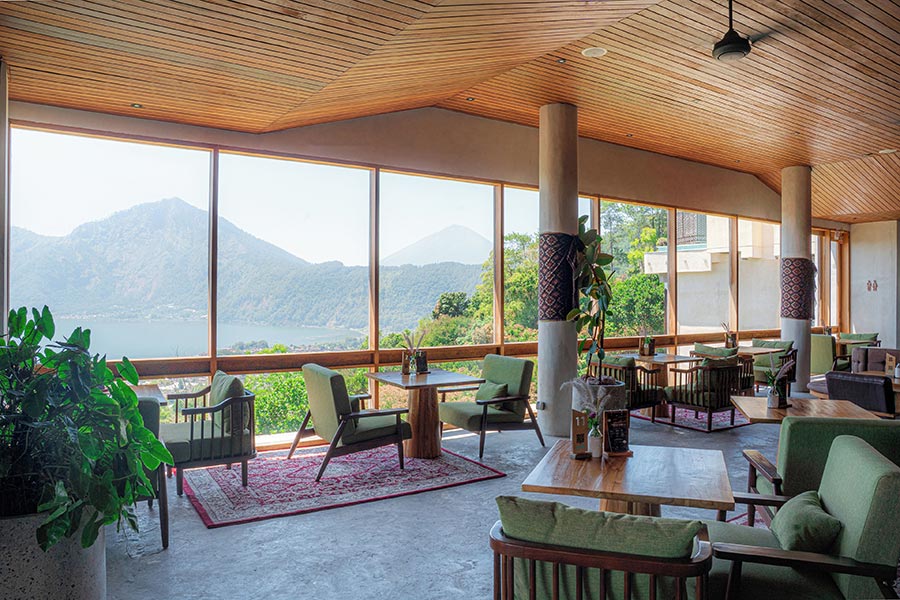
Beyond the cup, Kintamani cafés incorporate architectural cues such as bamboo accents, stone flooring, and open‑air seating that frames panoramic views of the surrounding countryside. This design philosophy not only enhances the dining experience but also honors the region’s cultural aesthetics.
Community Engagement and Sustainable Practices
Many of these cafés prioritize sustainability by partnering with local farmers and implementing waste‑reduction programs. Workshops on traditional brewing methods are regularly hosted, fostering a sense of community and preserving culinary knowledge for future generations.
Scenic Restaurant Destinations Across Bali
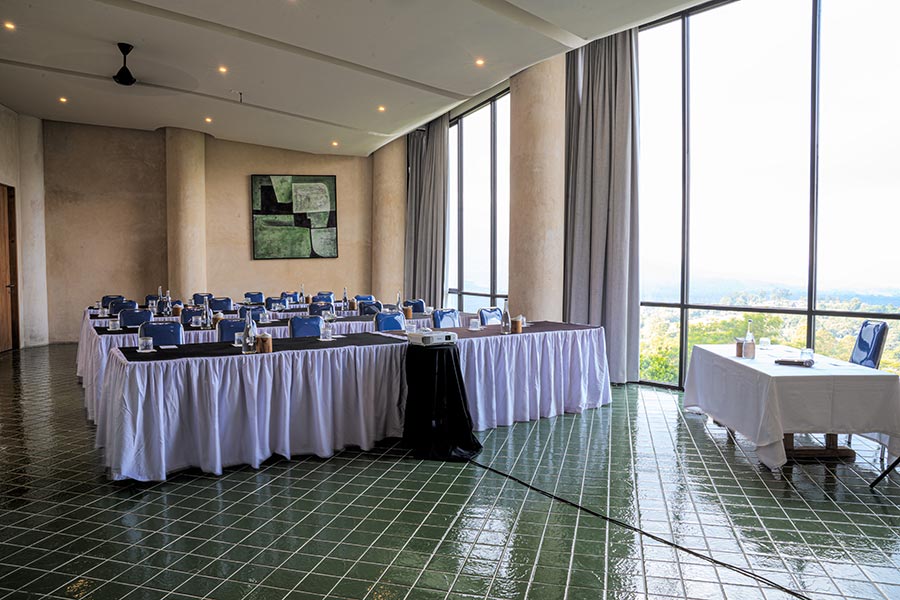
When travelers seek a memorable dining experience, Bali offers an array of restaurants perched on cliffs, nestled in rice terraces, or overlooking serene lakes. Each venue provides a backdrop that complements the flavors on the plate, turning meals into immersive journeys.
One standout location is a seaside eatery that serves fresh seafood while the tide rolls in. Diners can watch the sunset paint the horizon in shades of orange and pink, creating a romantic ambiance that enhances the taste of grilled snapper and tropical fruit salads.
Mountain‑Top Dining Experiences
Elevated restaurants near the Kintamani region present breathtaking vistas of volcanic calderas and mist‑cloaked peaks. Guests often describe the combination of crisp mountain air and aromatic spices as a multi‑sensory delight, especially when paired with locally sourced vegetables and herbs.
Urban Chic and Traditional Fusion
In bustling areas like Seminyak and Ubud, modern eateries fuse international techniques with Balinese ingredients. The result is a dynamic menu that respects tradition while appealing to global palates, making these spots popular among both expats and curious locals.
Spotlight on Signature Establishments
Among the many venues, one particular dining venue has gained acclaim for its seamless blend of ambiance and cuisine. Kintamani Restaurant offers guests a refined menu featuring locally sourced fish, organic vegetables, and a curated wine list, all set against a stunning view of the lake.
For those craving a more relaxed atmosphere, a beloved spot serves as a perfect retreat. Kintamani cafe invites patrons to linger over expertly brewed coffee, homemade pastries, and occasional live acoustic performances, creating a cozy haven in the heart of the region.
Another gem that encapsulates the island’s culinary spirit is a destination celebrated for its authentic Balinese dishes and attentive service. Kintamani Bali Restaurant showcases traditional recipes with a contemporary twist, ensuring every bite tells a story of heritage and innovation.
Conclusion
Exploring Bali’s Kintamani café culture and its scenic restaurant destinations reveals a tapestry of flavors, sights, and experiences that go beyond simple dining. From volcanic coffee origins to cliff‑side feasts, each venue offers a unique window into the island’s rich culinary heritage. Whether you are a seasoned food enthusiast or a curious traveler, immersing yourself in these settings promises unforgettable memories and a deeper appreciation for Bali’s vibrant gastronomic landscape.