
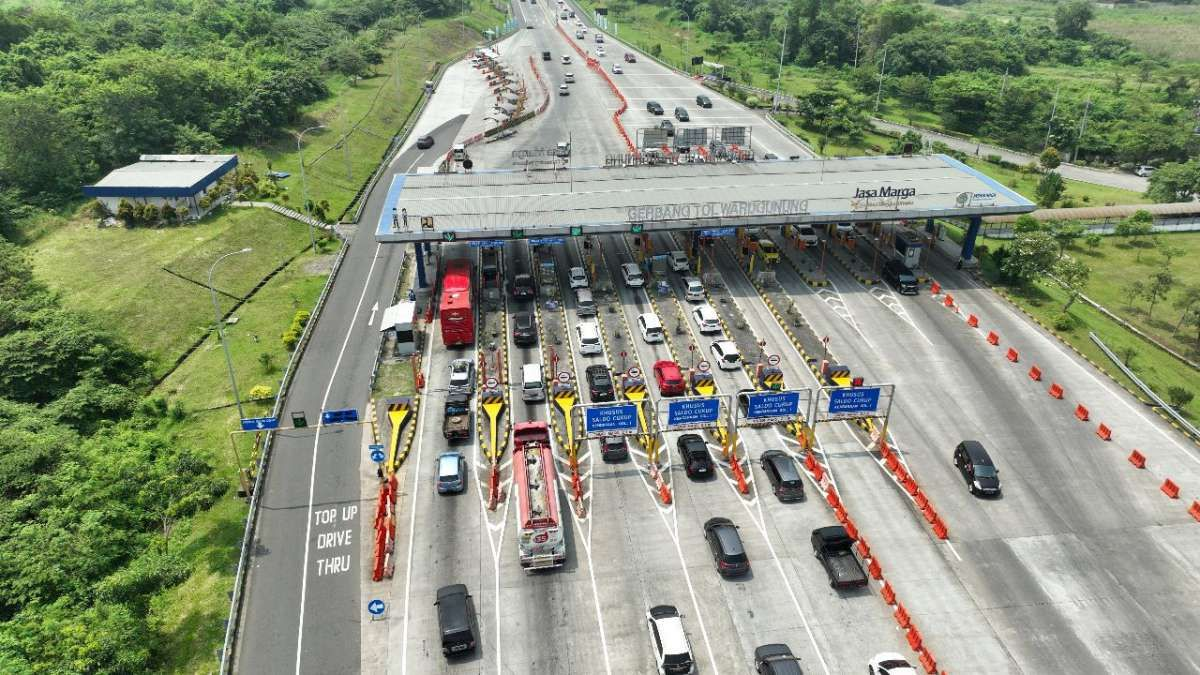
Traffic congestion at toll gates has long been the bane of modern commuters and logistics companies alike. However, the transportation paradigm is rapidly shifting before our eyes. We are witnessing a massive transformation driven by financial technology, fundamentally altering how we move across cities, regions, and countries. The key catalyst accelerating this change is the aggressive transition toward frictionless, invisible digital transactions. In this ambitious landscape of massive infrastructure development, securing the right financial backing and strategic collaboration is absolutely crucial. A well-structured public private partnership acts as the ultimate cornerstone, turning visionary tech concepts into concrete highways. This collaborative model ensures that the immense risks and lucrative rewards of infrastructure upgrades are shared equitably, paving the way for cutting-edge innovations that will redefine our daily commute and logistics operations.
The Dawn of a New Era: Moving Beyond Cash and Cards
For decades, the toll road experience was defined by manual friction. Drivers had to stop, roll down their windows, and hand over cash to a toll operator. While the introduction of electronic tap-cards and RFID-based stop-and-go systems brought a welcome layer of convenience, they still required vehicles to drastically reduce their speed or come to a complete halt. In a world where supply chains operate on just-in-time principles and time is literally money, these micro-delays add up to macroeconomic losses.
Today, the digital payment revolution is obliterating these barriers. The focus has decisively shifted from mere electronic payments to entirely contactless, barrier-free experiences. This isn't just a minor upgrade in consumer convenience; it is a fundamental reimagining of highway infrastructure that directly impacts urban planning, environmental sustainability, and economic growth.
Multi-Lane Free Flow (MLFF): The Crown Jewel of Contactless Payments
At the heart of this revolution is the Multi-Lane Free Flow (MLFF) system. Unlike traditional tolling mechanisms, MLFF operates entirely without physical barriers or toll booths. Vehicles pass under overhead gantries equipped with advanced sensors, cameras, and transceivers at normal highway speeds, while the toll fee is automatically deducted from a digital wallet or linked bank account.
To truly understand how revolutionary this is, we must look at the underlying technology driving MLFF:
- Global Navigation Satellite System (GNSS): This technology tracks a vehicle's movement via satellite, precisely calculating the distance traveled on a toll road and billing the user accordingly without needing physical gantries at every exit.
- Radio Frequency Identification (RFID): High-frequency tags placed on windshields communicate instantly with gantry sensors, triggering a payment gateway in milliseconds.
- Automatic Number Plate Recognition (ANPR): High-speed cameras capture license plates in real-time, serving as a reliable backup system to identify vehicles without active tags or to catch toll evaders.
When these technologies merge with robust digital payment ecosystems—such as e-wallets and mobile banking applications—the result is a seamless journey. Traffic bottlenecks at toll plazas are the bad cholesterol clogging the major arteries of our nation's economy. By implementing MLFF, we are essentially clearing these arteries, allowing commerce and daily life to flow unimpeded.
Quantifying Time Efficiency and Economic Gains
The most immediate and tangible benefit of contactless digital payments on toll roads is the drastic improvement in time efficiency. Industry data reveals that a standard tap-card transaction takes approximately 4 to 5 seconds per vehicle. While 5 seconds sounds negligible, it compounds aggressively. If a major suburban toll gate processes 50,000 vehicles a day, that equates to nearly 70 hours of collective time lost every single day, just in the act of tapping a card.
When you factor in the deceleration and acceleration time, the delays become exponentially worse, often causing kilometers of tailbacks during rush hour. By eliminating the need to stop, MLFF reclaims millions of hours of lost productivity annually. For logistics and freight companies, this seamless flow translates directly into reduced fuel consumption, lower vehicle wear-and-tear, and faster delivery times, significantly lowering the overall cost of logistics.
Fueling Toll Road Expansion: The Invisible Engine
It is easy to view digital payments merely as a consumer-facing feature. However, from a Business-to-Business (B2B) and investment perspective, the digital payment revolution is a powerful engine driving the physical expansion of toll road networks.
Infrastructure investors and sovereign wealth funds seek predictable, efficient, and transparent revenue streams. Legacy cash systems were plagued by high administrative costs, security risks, and revenue leakage. Digital payment systems eliminate these inefficiencies, ensuring that every cent of toll revenue is accurately captured, tracked, and deposited in real-time. This financial predictability makes toll road projects significantly more attractive to institutional investors.
Drastically Reduced OpEx and CapEx
Building traditional toll plazas requires substantial Capital Expenditure (CapEx). Developers must acquire vast tracts of land to accommodate the widening of the road for multiple toll booths. Furthermore, the Operational Expenditure (OpEx) of running these plazas—including electricity, maintenance, security, and human operators—eats heavily into the project's profitability.
By shifting to MLFF and digital payments, infrastructure developers can drastically shrink their spatial footprint. Simple overhead gantries replace massive concrete plazas. The reduction in necessary land acquisition and ongoing operational costs fundamentally alters the financial modeling of highway construction. Projects that were previously deemed financially unviable due to high upfront land costs suddenly become profitable, thereby accelerating the expansion of toll networks into emerging suburban and rural areas.
Environmental and Sustainability Benefits
Beyond economics, the transition to barrier-free digital payments carries immense environmental weight. Vehicles idling at toll booths or caught in the subsequent stop-and-go traffic burn significant amounts of fuel, releasing vast quantities of greenhouse gases (GHG) into the atmosphere.
By maintaining a continuous flow of traffic, MLFF drastically reduces idle emissions. Several environmental impact studies on electronic toll collection suggest that eliminating toll booth stops can reduce carbon emissions by up to 10% in the immediate vicinity of the tolling area. For a government or private entity looking to meet aggressive ESG (Environmental, Social, and Governance) targets, upgrading to digital payment infrastructure is a highly effective strategy.
Overcoming the Implementation Hurdles
Despite the overwhelming benefits, the road to a fully frictionless highway system is not without its speed bumps. Transitioning an entire nation's infrastructure to a digital-first model requires overcoming several distinct challenges:
- Interoperability: Different regions often utilize different banking networks and e-wallets. A successful MLFF system requires a centralized clearinghouse capable of seamlessly processing payments across a multitude of financial platforms, ensuring that a driver from one province can seamlessly drive through another.
- The Unbanked Population: While digital adoption is skyrocketing, solutions must be provided for users who do not have access to smartphones or digital banking. Pre-paid physical RFID stickers linked to retail convenience stores serve as a vital bridge for this demographic.
- Data Privacy and Cybersecurity: Tracking a vehicle's location and processing automatic payments requires handling highly sensitive user data. System operators must adhere to strict international cybersecurity protocols, such as ISO 27001, to encrypt data, prevent breaches, and maintain the public's trust in the digital infrastructure.
Looking Ahead: The Future of Smart Highways
The digital payment revolution currently reshaping our toll roads is merely the foundation of a much grander vision: the advent of smart highways. As contactless payment infrastructure becomes standardized, it will integrate seamlessly with other emerging technologies.
We will soon see Vehicle-to-Infrastructure (V2I) communication, where autonomous vehicles negotiate their own toll payments dynamically based on the time of day, current traffic density, and vehicle weight. Furthermore, the data generated by millions of digital transactions will provide urban planners with unprecedented, real-time insights into traffic patterns, allowing them to optimize road maintenance and plan future expansions with surgical precision.
Conclusion: Partnering for a Seamless Future
The integration of digital payment systems like Multi-Lane Free Flow is far more than a technological upgrade; it is a structural revolution. By completely eliminating the friction of manual payments, we save millions of hours of human productivity, drastically reduce environmental pollution, and significantly lower the operational costs of highway management. Most importantly, the financial transparency and efficiency brought by this revolution provide the crucial confidence needed by investors to fund the next generation of infrastructure expansion.
Navigating the complexities of this digital transition—from financing and technological integration to regulatory compliance—requires world-class expertise and strategic alliances. If you are looking to understand how innovative financing models and strategic partnerships can elevate your next major infrastructure project, do not hesitate to consult with the experts. Reach out to PT PII to discover how collaborative innovation can turn your ambitious infrastructure visions into a seamless reality.
Meta Description Discover how the digital payment revolution and a public private partnership accelerate toll road expansion via MLFF, boosting efficiency and saving time.