
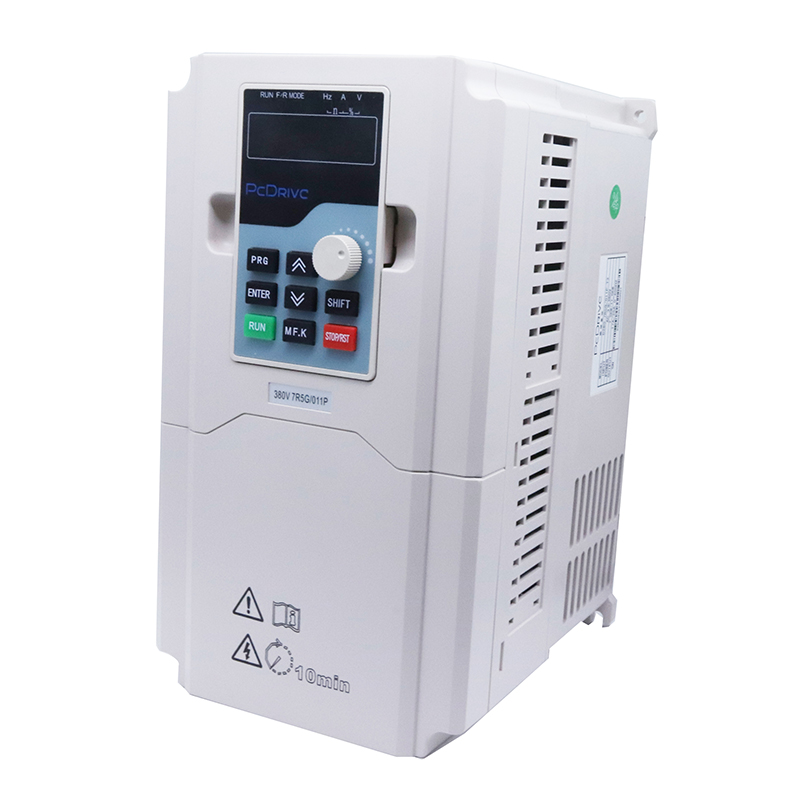
Integrating a frequency converter into an electric motor setup yields immediate energy savings, precise operational speed adjustments, and prolonged equipment life. Standard AC induction motors run at fixed speeds determined by grid frequency, forcing operators to throttle mechanical outputs using inefficient valves, dampers, or gearboxes. Frequency converters bypass these mechanical bottlenecks by directly regulating the electrical frequency and voltage supplied to the motor. Modulating input power at the source cuts electrical consumption drastically while giving facilities total control over dynamic torque and rotational speeds.
Core Operational Mechanics of Frequency Conversion
A solid state frequency converter, often called a variable frequency drive, operates through a three-stage conversion process to reshape raw electrical utility power. Incoming alternating current flows into a rectifier stage that transforms fixed AC voltage into stable direct current. Smooth capacitor banks clean and store this electrical energy inside the internal direct current bus.
The final inverter stage uses high-speed insulated gate bipolar transistors to convert direct current back into synthetic alternating current. By switching these transistors at rapid microsecond intervals through pulse-width modulation, the drive synthesizes output waves at any desired frequency and voltage level. Changing the output frequency directly alters motor shaft speed in perfect proportion, allowing seamless acceleration or deceleration without mechanical resistance.
Substantial Energy Conservation in Variable Load Applications
Centrifugal pumps, HVAC fans, and industrial blowers obey fluid dynamic affinity laws, where power consumption scales exponentially with rotational speed. Dropping a fan speed by just twenty percent reduces required electrical power by nearly fifty percent. Operating motors at partial capacity during off-peak periods yields massive drops in utility expenses compared to running motors at full speed against mechanical dampers.
Traditional throttling methods waste excess kinetic energy as heat and vibration across pipe networks and ductwork. Frequency converters eliminate this wasted energy by matching motor output strictly to real-time system demand. Controlling process variables electronically reduces facility power footprints while meeting strict operational targets across manufacturing environments.
Smooth Acceleration and Mechanical Stress Reduction
Direct-on-line motor starts draw locked-rotor currents up to eight times higher than normal full-load operating amperage. This violent surge generates intense thermal stress within internal windings while jolting connected gearboxes, belts, and couplings mechanically. Frequency converters eliminate destructive inrush current spikes by ramping up frequency and voltage gradually from zero during startup sequences.
Controlled acceleration profiles prevent mechanical shock, slipping drive belts, and water hammer effects in long fluid pipelines. Soft stopping capabilities allow heavy rotating loads to ramp down predictably instead of coasting to abrasive stops. Shielding mechanical components from harsh startup jolts minimizes fatigue, reduces unexpected mechanical failures, and slashes overall facility downtime.
Enhanced Torque Delivery and Process Automation
Modern vector-controlled frequency converters regulate magnetizing current and torque-producing current independently inside the motor windings. This advanced control algorithm allows electric motors to produce full rated torque at zero speed, enabling smooth starting performance under full load conditions. Crane hoists, heavy crushers, and positive displacement pumps maintain total stability without slipping or stalling.
Direct integration with programmable logic controllers and factory communication networks makes frequency converters central to modern industrial automation. Internal sensors track motor current, operating temperature, and bus voltage continuously to detect mechanical jams or dry-running pump conditions before severe damage occurs. Automated diagnostics help maintenance teams fix minor issues before they turn into costly operational shut downs.
Conclusion
Frequency converters provide an essential foundation for optimizing industrial motor speed, reducing power consumption, and protecting mechanical equipment. Regulating input voltage and frequency at the source eliminates wasteful mechanical throttling while extending overall machinery service life. Soft starting capabilities, vector torque management, and network integration ensure every connected motor operates at peak efficiency. Investing in frequency converters gives operators complete control over process performance while driving down electrical energy expenses year after year.